
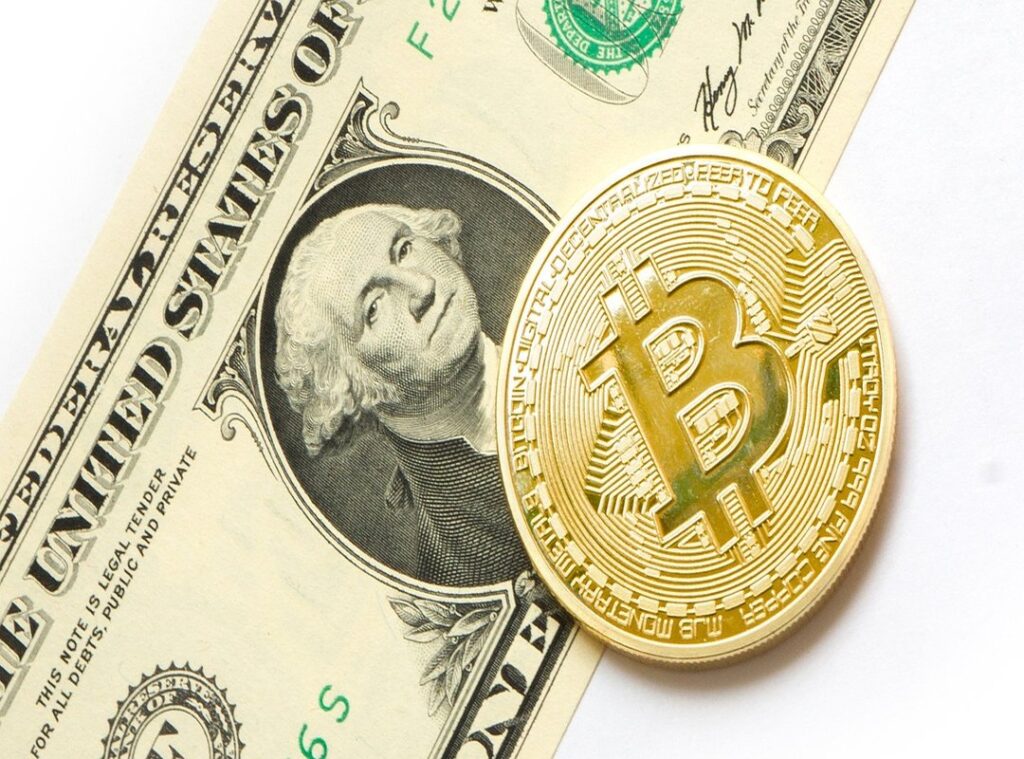
The financial world is a maze of confusion. With all the talk about cryptocurrency traditional money, it’s hard to keep up. I get it.
You probably wonder how these different types of money fit into your life.
This article cuts through the noise. I aim to demystify digital currencies and conventional cash by giving you a straightforward comparison.
I’ve spent years analyzing how financial systems evolve. From blockchain technology to traditional economics, I’ve seen it all. I promise you’ll walk away with a solid understanding of both currency types, their differences, and their roles today.
You deserve takeaways that you can actually trust. This content is built on continuous analysis of financial trends and technological advancements.
Expect a balanced and practical perspective so you can make informed decisions. Let’s dive into this complex world together and break down what you need to know.
Digital and Conventional Currencies: A Simple Breakdown
Let’s get to it. Conventional currency, also known as fiat money, is what you’ve got in your wallet. It’s issued by governments, comes in physical and digital forms, and is controlled by central banks. The U.S.
Dollar, Euro, and Yen are the usual suspects here. We trust these because, well, governments say so.
Now, digital currency is a whole other ball game. It’s entirely electronic, without physical form. Cryptocurrencies like Bitcoin and Ethereum are decentralized, meaning no central authority calls the shots.
They use blockchain technology, which is secure and transparent. Ever heard of understanding rise CBDCs? These are centralized digital currencies issued by governments, blending the old with the new.
Here’s the kicker: digital currencies offer peer-to-peer transactions, bypassing banks and intermediaries. It’s like sending a text, but with money. Cryptographic security ensures your transactions are safe.
Whether you’re all in with crypto or sticking to traditional money, knowing the difference is key.
Are you ready to dive into this digital world, or do you prefer sticking with what you know? Either way, understanding both forms gives you a leg up.
Spotting the Contrasts: Digital vs. Traditional Money
When you think of money, there’s a stark contrast between cryptocurrency and traditional money. Let’s break it down. Centralization is key.
Traditional currencies are under the thumb of governments and banks. They pull the strings, and in many ways, they make the rules. Cryptocurrencies, however, thrive on decentralization.
They’re spread out over networks and don’t answer to a single entity. This freedom is mind-blowing, but it comes with risks.
Now, think about physicality. Traditional money is tangible. You have cash in your wallet, coins jangling in your pocket.
But digital currencies? They’re purely electronic, living in the vast world of 1s and 0s. This isn’t just about convenience, it’s a whole new dimension of finance.
But cryptos ride a roller coaster. Prices soar, then crash. Central Bank Digital Currencies (CBDCs) are trying to stabilize things, though.
Then there’s volatility. We all want stability, right? Conventional currency, backed by national economies, provides that.
How about transaction speed and cost? Ever tried wiring money internationally? Painful and expensive.
Digital currencies can speed up transactions and cut costs. It’s a game-changer, especially when you’re in a rush.
Security is where things get tricky. Traditional money relies on banks and physical security measures. Cryptocurrencies?
They rely on cryptography and blockchain immutability. And privacy? Varies a lot with each coin.
Some offer more anonymity than others. It’s complicated, but that’s the allure for many.
So, in this clash between cryptocurrency and traditional money, both have their strengths and pitfalls. It’s up to you to choose your adventure.
Weighing the Benefits and Drawbacks: A Practical Look
Let’s cut to the chase: the debate between cryptocurrency traditional money users isn’t going anywhere soon. Traditional currency is the old guard. Everyone takes it.
It’s legal tender, with rules and stability that make it easy to trust. Or at least, that’s the idea. But inflation eats away at it, and cross-border transactions?
Don’t get me started; they drag like a slow train.
Now, let’s shift gears. Digital currency bursts onto the scene like the new kid in town. It promises faster, cheaper transactions, especially across borders.
Think of the possibilities for financial inclusion. You can track everything on public ledgers, so it’s all out in the open, with less chance of government intervention. But, hold on.
Price swings can give you whiplash, and the legal space is a bit of a minefield. Security’s a biggie too (hacks) and scams are lurking. Plus, it can be a riddle for newbies, and not everyone’s accepting it just yet.
So, which is better? That’s up to you, really. It depends on what you need and value most.
Each has its perks and pitfalls. Choose wisely.
Money Talks: Everyday Uses Beyond Theory
Let’s get real about money. You use it every day (buy) your morning coffee, pay rent, stash some cash for that rainy day, or maybe even invest in your favorite stocks. Traditional currency is the backbone here, keeping everything running smoothly.

Need a loan? Your bank’s got you covered.
Now, enter digital currency. It’s not just for the tech-savvy anymore. Online shopping?
Sure, but it’s also shaking up industries like gaming and digital art. You’ve probably heard about NFTs by now. Some businesses even take both forms of payment, merging cryptocurrency traditional money seamlessly.
Picture this: you’re sending money across borders. Digital currency does this fast and without that pesky middleman. It’s cutting through the red tape of conventional finance.
DeFi (that’s Decentralized Finance for you) is yet another game-changer, letting folks bypass banks for lending and borrowing. Intrigued? You should be.
Pro tip: Always check if a digital option is accepted before making a move.
Money’s evolving, and while it’s not ditching the old systems entirely, it’s definitely adding some flair. Dive into this new world wisely. It’s a wild ride.
Evolving Money: Clash or Coexistence?
Everyone’s buzzing about digital dollars and good old cash. Will digital currency swallow traditional money, or can they share the stage? I think they can coexist.
Look at Central Bank Digital Currencies (CBDCs). They’re mixing the flexibility of crypto with the trust of fiat. It’s a balancing act, right?
You know what’s pushing this? Technology. It’s forcing old-school banks to get with the times… going digital, getting faster.
But will governments play along? Regulation is a wild card. They shape how these currencies mingle in the grand scheme.
Honestly, I lean toward a future where both types specialize and work together. It’s like having best of both worlds. Pro tip: staying informed is key.
Speaking of which, check out how stablecoins are changing finance. It’s fascinating how these elements blend. So, what do you think?
Ready to embrace this evolving money scene?
Your Financial Confidence Starts Here
I know the confusion around cryptocurrency traditional money can be overwhelming. Now that we’ve cleared that up, you have a solid foundation to make informed choices. This information is key in a world where financial landscapes shift rapidly.
Staying informed is key. Explore reliable resources and continue to deepen your understanding of both currency types. Knowledge reduces uncertainty and builds confidence.
Don’t let confusion hold you back. Take action now. Dive into the world of finance with purpose.
You’ve got the tools. Use them. Your financial future depends on it.
Start today and gain the confidence you deserve.