
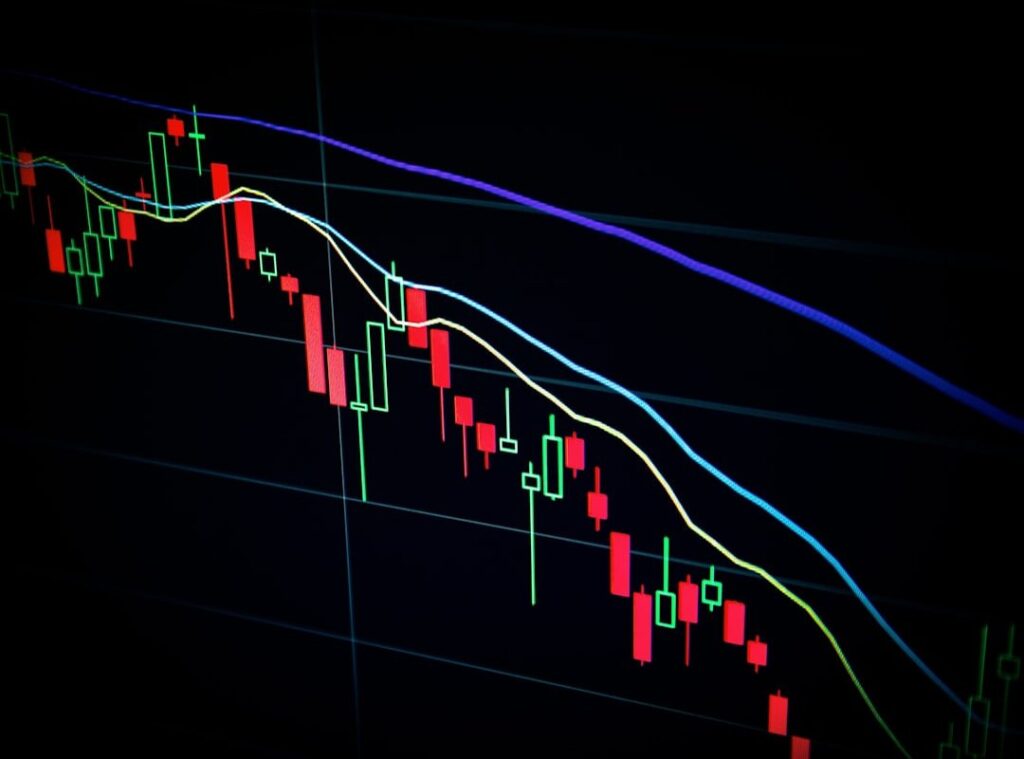
The chaotic world of crypto trading can feel like a rollercoaster. Rapid market swings make it easy to feel overwhelmed.
Many traders are left scrambling for reliable strategies to score quick gains without risking it all. Does that sound familiar? You’re not alone.
I’ve spent years analyzing market trends and dissecting effective trading techniques. I know the challenges firsthand.
This isn’t just theory; it’s built on practical experience. You need strategies that balance potential profit with realistic risk management.
In this article, I’ll share actionable swing trading strategies tailored for the fast-paced crypto environment.
Forget the hype and fluff. I’ll provide tools you can actually use to get through this volatile space.
By the end, you’ll have a clearer path forward in your trading journey. You’ll feel more equipped to tackle the ups and downs of the crypto market. Let’s dive in and master these techniques together.
Speed and Plan: Mastering Short-Term Trading
Short-term trading in crypto is like catching small waves instead of waiting for the big tide. You’re looking to profit from those quick, frequent price shifts. The thrill?
It’s all about speed. You want to maximize capital efficiency and jump on the volatility that crypto naturally offers. But let’s not sugarcoat it: it’s risky.
High transaction costs, market noise, and the constant pressure to make snap decisions can take a toll.
Why do people choose short-term trading over long-term investing? Well, it’s a mindset thing. Long-term investing is about patience and riding the tide, while short-term trading is about agility and precision.
It’s like comparing a marathon to a sprint. Swing trading strategies come into play here, helping you get through these rapid changes effectively.
Does this mean short-term is better? Not necessarily. It depends on your goals and temperament.
If you’re in it for the adrenaline and quick wins, short-term might be your game. But if you’re more about steady growth, maybe stick to long-term. It’s key to know what suits you best.
Core Strategies: Scalping and Day Trading Unpacked
When it comes to scalping, we’re talking about making tiny, quick trades to grab small price changes. You focus on high liquidity pairs, use tight stop-losses, and need fast execution. Imagine entering on a small dip and exiting after a quick 0.5% rise.
Easy, right? But you’ve got to be fast, like really fast.
Day trading, on the other hand, is all about opening and closing trades within a single day. No overnight risks here. You use intraday charts like 15-minute or 1-hour ones, and identify key support and resistance levels.
Your setup might include clear entry points, target profits, and those ever-important stop-losses.
Now, how do these two compare? Scalping is rapid-fire, while day trading gives you a bit more breathing room. Scalping is a sprint; day trading is more like a brisk walk.
Both have their own risk profiles, but neither is for the faint-hearted.
So, where do swing trading strategies fit into this picture? That’s another beast entirely. If you’re diving into crypto, understanding the crypto trading understanding charts is key.
Charts tell the story of the market, and knowing how to read them could make all the difference.
What’s your plan? Are you the quick scalper or the patient day trader? Or maybe you’re somewhere in between, finding your groove in the chaotic world of trading.
Everyone has their own style, but understanding these strategies is step one. After all, knowing when to hold ’em and when to fold ’em isn’t just a catchy tune. It’s trading wisdom.
Riding Waves: Momentum and Trend for Quick Gains
Momentum trading is more art than science. It’s all about spotting those assets that are really moving. You know, those with sudden volume spikes and breakout patterns.
You jump on the bandwagon when prices start consistent upward or downward moves. But don’t hang around too long. It’s a bit like leaving a party before the music stops (because nobody likes getting stuck in traffic).
Short-term trend following is its cooler cousin. You’re still chasing trends, but for hours or days instead of moments. Here, simple moving averages (like the 20-period EMA) become your best friends.
Maybe. But without volume and other indicators, you risk getting faked out.
When the price sails above a key moving average, buy. When it dips below, sell. Sound simple?
The thrill is mastering these swing trading strategies. That’s why diving into Mastering Crypto Day Trading can give you an edge. Trading’s not just about books and charts; it’s about instinct too.
Never forget that. So here’s the pro tip: Always confirm trends. Follow the waves but know when to swim back to shore.
Mastering Short-Term Trading: Important Tools You Need
Understanding candlestick patterns is like learning the alphabet of short-term trading. You’ve got your Doji, Hammer, and Engulfing patterns, each telling its own tale of market sentiment and potential reversals. Quick takeaways?

Absolutely. You can’t just stop there, though. Volume is the unsung hero in confirming price movements.
It separates genuine breakouts from false alarms. You know that feeling when something just looks off? That’s volume helping you see the truth.
Then there’s the Relative Strength Index (RSI). It’s a momentum oscillator that highlights when a stock is overbought or oversold. A simple rule: RSI above 70 is overbought, below 30 is oversold.
Lastly, support and resistance levels. They’re important for setting your entry, target, and stop-loss points. Looking to sharpen your skills?
It’s straightforward but so useful. Want to talk trends? Short-term moving averages, like the 9-period or 20-period, show you where the wind is blowing and act as changing support or resistance.
Check out swing trading strategies for more takeaways. These techniques are your map in the trading world.
Mastering Risk Management and Trading Psychology
Risk management might not be the flashiest part of trading, but it’s absolutely important. You wouldn’t just dive into a shark tank without a cage, right? The golden rule: never risk more than 1-2% of your trading capital on a single trade.
It’s like betting just enough to keep playing even if you lose.
Then there’s the stop-loss order. This isn’t optional. It’s your lifeboat when a trade heads south.
Calculate your stop-loss using technical analysis or a fixed percentage, whatever keeps you afloat.
Position sizing plays a huge role too. It’s about aligning your risk tolerance with your stop-loss level. Mess this up, and you’re in for a white-knuckle ride you didn’t sign up for.
Now, onto trading psychology. Fear of missing out (FOMO) and revenge trading are real beasts. Does taking a break sound soft?
It’s not. It’s key to stick to your plan. Write everything in your trading journal.
Review it like a coach watching game footage. you refine your swing trading strategies.
Pro tip: Treat your trades like a season of your favorite show. Watch, learn, and avoid repeating bad episodes. It’s your saga; make it a good one.
Take Charge of Your Trading Journey
You now have a solid grasp of practical short-term trading techniques. You’ve faced the initial confusion and high stakes of fast-paced crypto trading.
By using specific strategies and solid risk management, you can make informed decisions.
Start with a demo account to practice these techniques.
Develop your own disciplined plan.
It’s time to take action.
Don’t let uncertainty hold you back.
Continue your learning journey with us to stay ahead in the changing world of cryptocurrencies.
Embrace these swing trading strategies and watch your confidence grow.